
Publications and Papers
Empowering Your Engineering Talent: A Collaborative Approach



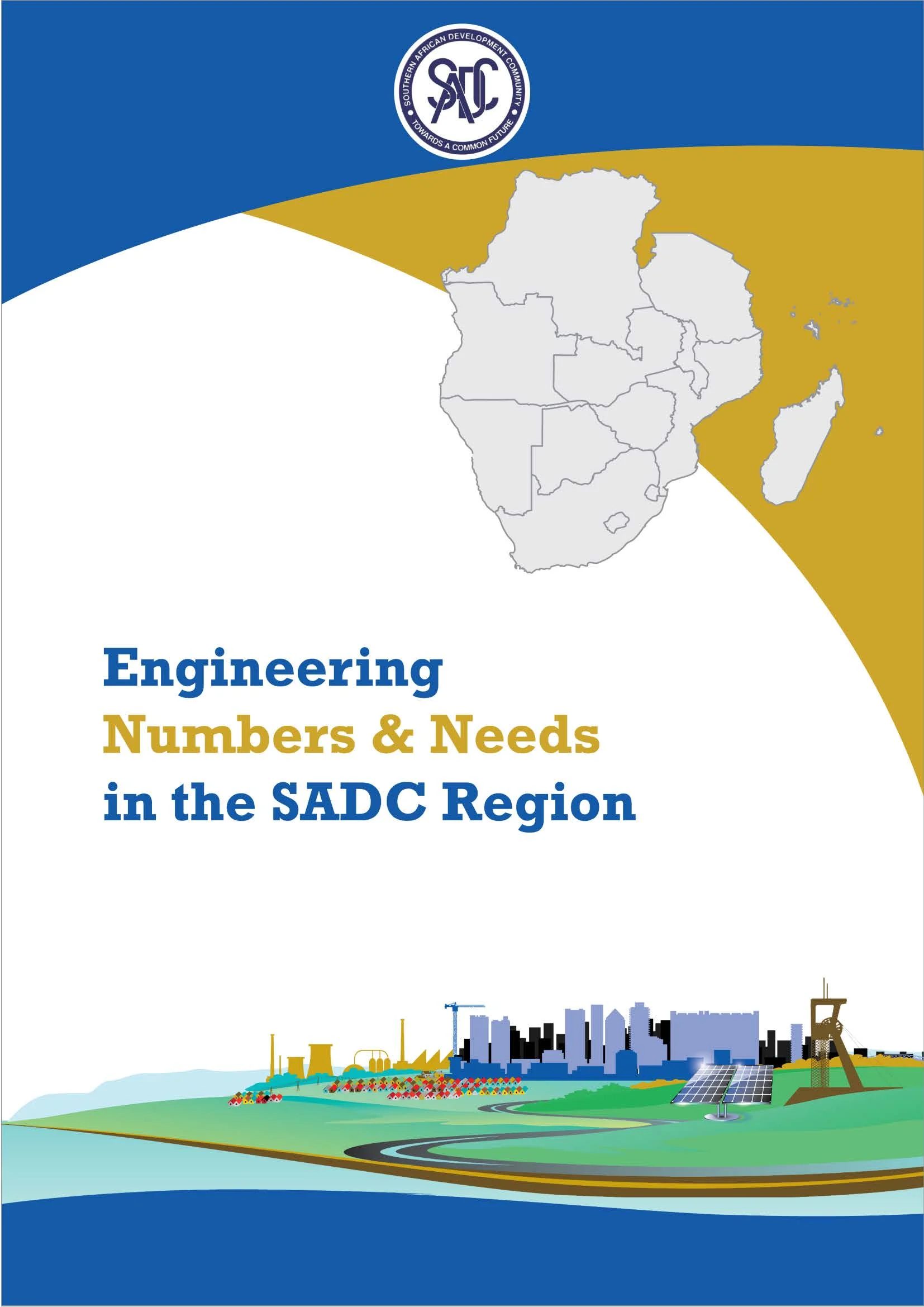
Engineering Numbers & Needs in the SADC Region
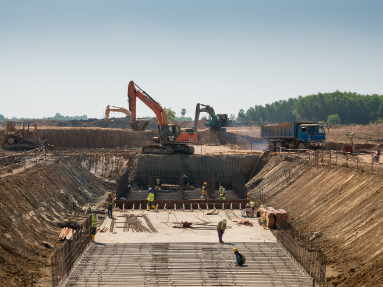
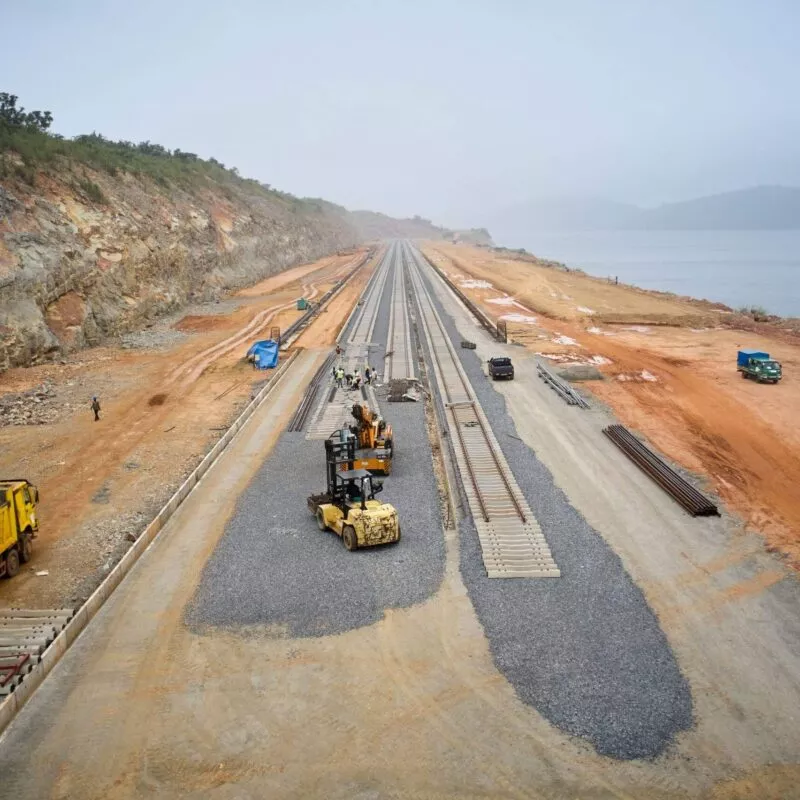
After two years of research, this comprehensive document, completed in December 2018, found the engineering skills challenges to be similar in all SADC countries – poor schooling, inadequate capacity and resources to deliver quality tertiary education and limited graduate training are preventing the growth of tomorrow’s engineering leaders. Qualification standards and professional registration approaches were found to vary considerably, which need to be addressed to allow the mobility of engineering professionals within the region.
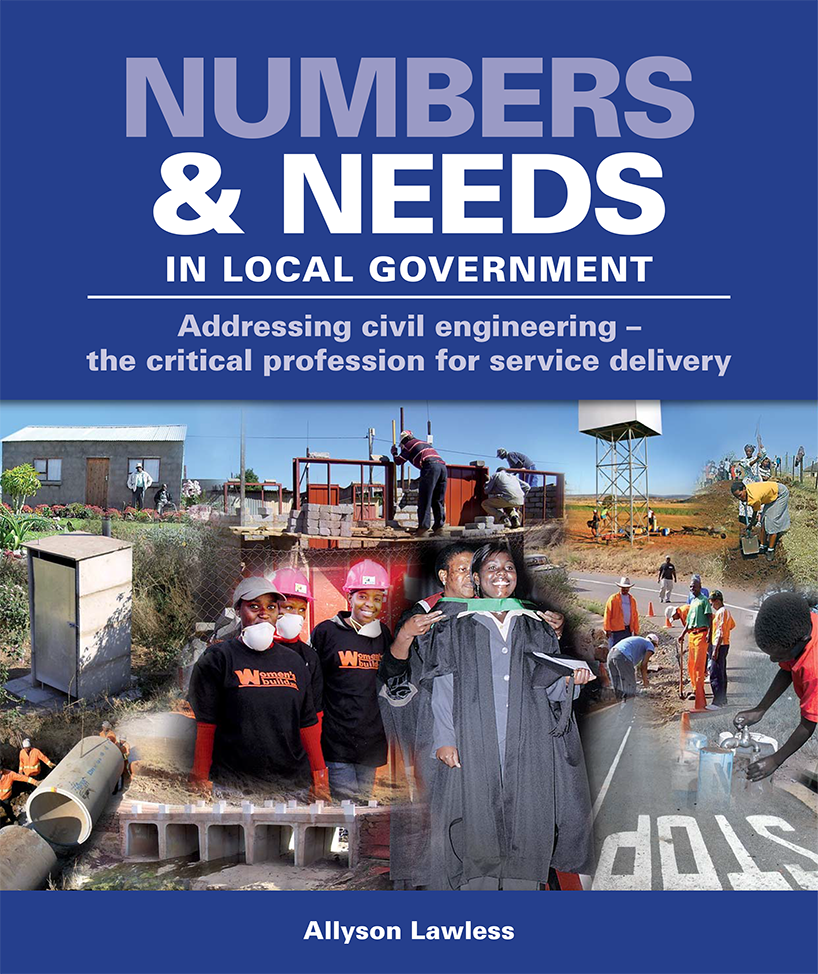
Numbers & Needs in local government: Addressing civil engineering – the critical profession for service delivery
Researched over several years, and published in 2007, it was found that the number of civil engineering practitioners employed in local government was about half of the number employed in the late eighties, while the population being serviced in the new wall-to-wall local government model had trebled. The book makes many recommendations on rebuilding the skills base, streamlining procedures, separating political and administration functions and responsibilities, and is brimming with technical ideas on more efficient service delivery.
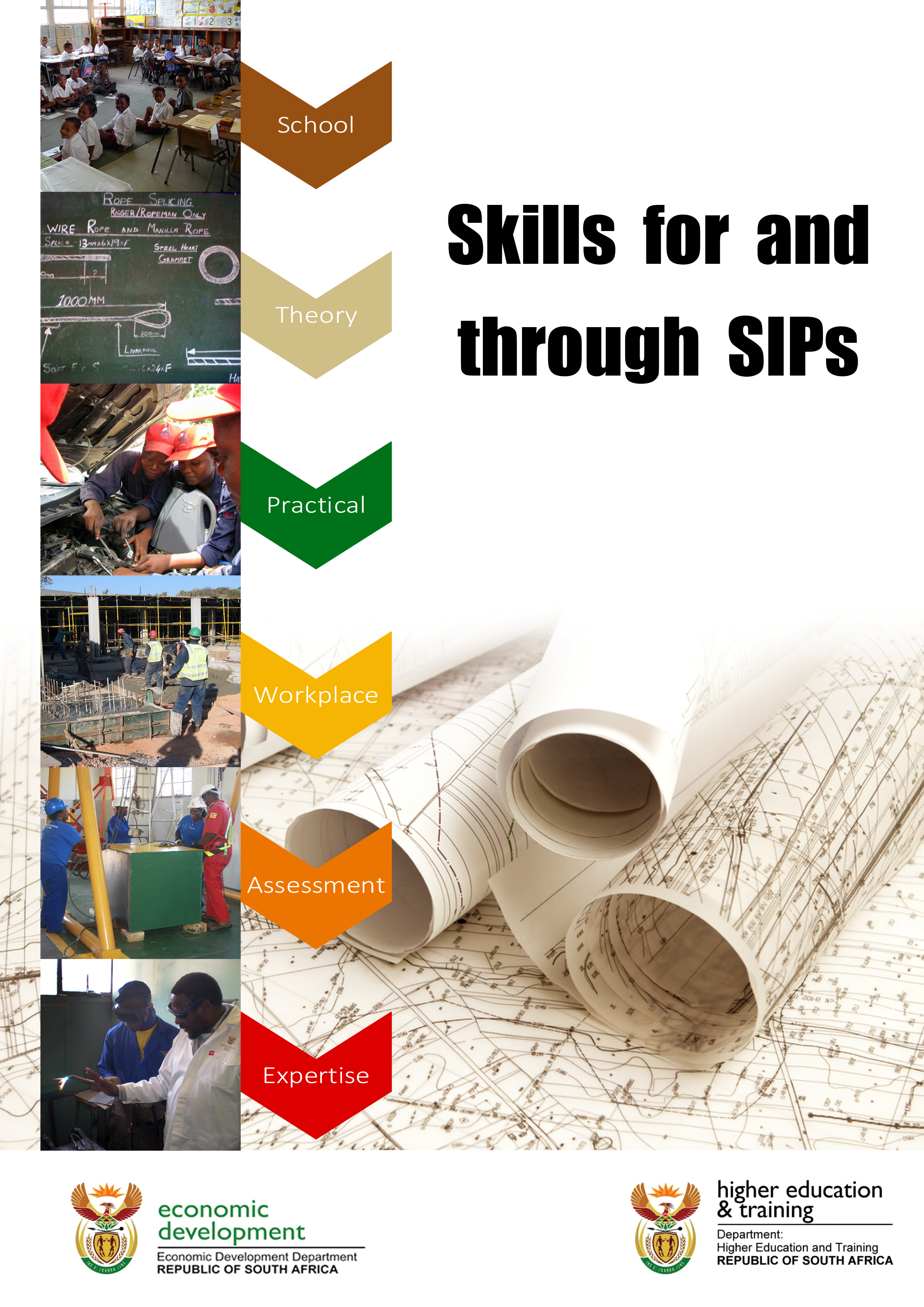
Skills for and through SIPs
Published by the Department of Higher Education and Training in 2014, the book considers the skills required to deliver the Strategic Integrated Projects, outlined in the National Infrastructure Plan. After detailed research, it was determined that 76 occupations were in short supply including built environment professionals, managers, trades, operators, and elementary occupations. Projections and detailed recommendations were published to ensure that everyone involved in training and development worked towards addressing the national shortages.
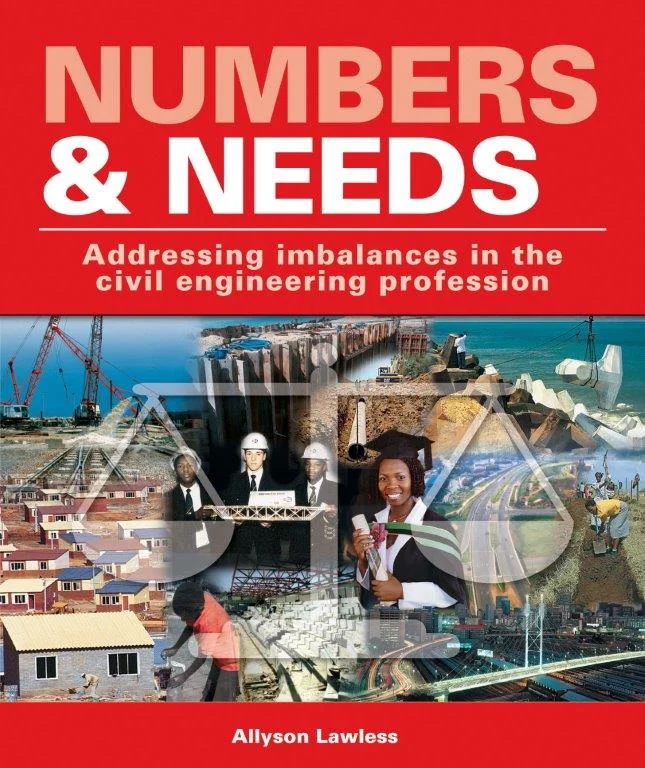
Numbers & Needs: Addressing imbalances in the civil engineering profession
A seminal document published in 2005 which looked at the numbers of civil engineering practitioners employed in South Africa and the future needs. Considering the skills pipeline and blockages that existed many recommendations were made, from schooling through tertiary education, graduate training and the use of retired engineers to act as mentors and offer specialist input. The document has been widely published and the recommendations have formed the basis for many major national and international initiatives.
Papers (Available on request)
- REPORT TO JIPSA ON ACADEMIC STAFF SHORTAGES IN HIGHER EDUCATION ENGINEERING FACILITIES
JIPSA Research Report, 2008 – The report covered the challenges faced by higher education institutions offering engineering qualifications, in terms of the availability of experienced academic staff and facilities and made recommendations on funding, attraction and retention strategies and registration of academic staff.
- NUMBERS AND NEEDS IN LOCAL GOVERNMENT
IMESA Conference, 2008, Bloemfontein. – The paper looks at systems which worked in the past, the present challenges and makes suggestions about future models to redevelop civil engineering skills and professionalise local government.
- NUMBERS AND NEEDS IN LOCAL GOVERNMENT
AMEU Conference, 2008, East London – The paper looks at systems which worked in the past, the present challenges and makes suggestions about future models to redevelop electrical engineering skills and professionalise local government.
- AN ESTIMATE OF THE NUMBER OF ENGINEERING PRACTITIONERS IN SOUTH AFRICA
ECSA Position Paper, 2012 – This paper was developed to inform Minister Patel and others on the PICC of the estimated number of engineering practitioners in South Africa using various scenarios, in the absence of detailed research data.
- STANDARD FOR DEVELOPING SKILLS THROUGH INFRASTRUCTURE CONTRACTS
CIDB and DHET, 2013 – Significant contributions were made to the development of the CIDB Skills Standard. This is an important document which any public sector department may append to a tender to ensure that training of apprentices, interns and/or candidates takes place on projects as part of the tender.
- WHAT HAS BEEN DONE AND STILL NEEDS TO BE DONE TO SKILL SOUTH AFRICANS TO DELIVER INFRASTRUCTURE PROJECTS
World Conference on Cooperative & Work-Integrated Education, 2015, Kyoto – This paper captures the 21 STEP PROCESS developed out of the research carried out to prepare the publication ‘Skills for and through SIPs’. The entire process from determining the project pipeline and associated skills required, to providing education and training, and developing specialists is outlined as a possible model when contemplating major infrastructure development.
- NUMBERS AND NEEDS IN LOCAL GOVERNMENT – UPDATE 2015
IMESA Conference, 2016, East London – This paper outlines the changes in civil engineering capacity in 2015 local government when compared with the original research of 2005. The drop in the number of experienced engineers was of concern and the need to develop junior staff along with many other recommendations were highlighted.
- ENGINEERING NUMBERS & NEEDS IN THE SADC REGION
UNESCO Africa Engineering Week, 2019, Livingstone, Zambia – The paper covers the results of 21 months of detailed research on engineering capacity in all 15 SADC States. Challenges ranged from poor schooling, through tertiary education and workplace training, to the lack of parity of qualifications and professional registration approaches in the region where highlighted and many recommendations were outlined.